
by greentop
Share
by greentop
Share
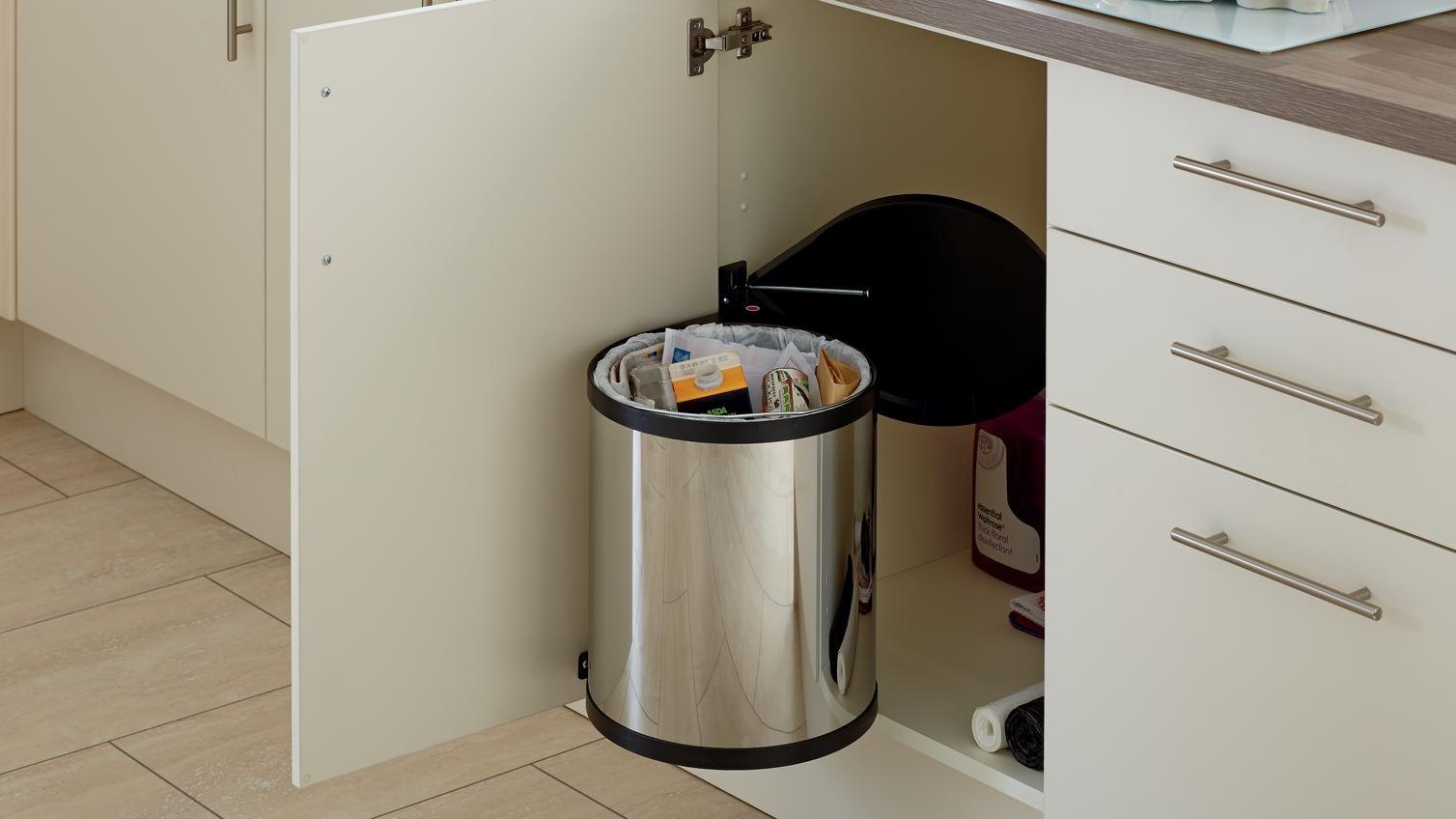
Simple Steps for a Cleaner and Greener Kitchen
Every kitchen generates waste on a daily basis, from food scraps and packaging materials to used containers and disposable items. Effective kitchen waste management is essential not only for maintaining cleanliness and hygiene but also for protecting the environment and reducing unnecessary waste sent to landfills.
Why Kitchen Waste Management Matters
Poor waste management can lead to unpleasant odors, pest infestations, and the spread of harmful bacteria. By properly sorting and disposing of kitchen waste, households and businesses can create healthier environments while contributing to sustainable waste reduction efforts.
Types of Kitchen Waste
Kitchen waste generally falls into three categories:
1. Organic Waste
This includes fruit and vegetable peels, leftover food, coffee grounds, eggshells, and other biodegradable materials. Organic waste can often be composted and transformed into nutrient-rich fertilizer for gardens and plants.
2. Recyclable Waste
Items such as plastic containers, glass bottles, metal cans, and cardboard packaging can be recycled and reused to create new products, reducing the demand for raw materials.
3. General Waste
Non-recyclable items such as contaminated packaging, disposable wipes, and certain plastics should be disposed of responsibly in designated waste bins.
Best Practices for Managing Kitchen Waste
Separate Waste at the Source
Use clearly labeled bins to separate organic, recyclable, and general waste. This simple step makes recycling and disposal more efficient.
Reduce Food Waste
Plan meals carefully, store food properly, and use leftovers creatively. Reducing food waste saves money and minimizes the amount of waste generated.
Use Appropriate Waste Bins
Select durable, easy-to-clean kitchen bins with secure lids to contain odors and prevent pest problems. Indoor swing bins and pedal bins are practical solutions for everyday kitchen waste collection.
Compost Organic Materials
Composting food scraps reduces landfill waste and produces a valuable soil conditioner for gardening and landscaping.
Recycle Responsibly
Rinse recyclable containers before disposal and follow local recycling guidelines to ensure materials are processed correctly.
Benefits of Effective Kitchen Waste Management
- Improves kitchen hygiene and cleanliness
- Reduces unpleasant odors and pest infestations
- Supports environmental sustainability
- Lowers waste disposal costs
- Encourages recycling and resource conservation
- Creates a healthier living and working environment
Conclusion
Kitchen waste management is a simple yet powerful practice that benefits both households and businesses. By reducing waste, separating recyclables, composting organic materials, and using suitable waste bins, everyone can contribute to a cleaner kitchen and a more sustainable future. Small daily actions can make a significant difference in protecting our environment for generations to come.
STAY IN THE LOOP
Subscribe to our free newsletter.
Leave A Comment

Keeping your waste bin clean is essential for maintaining a hygienic and odor-free home or workplace.

Maintaining clean workplace waste containers is essential for creating a safe, healthy, and professional environment.