
by greentop
Share
by greentop
Share

A Key to Health, Safety, and Professionalism
A clean workplace reflects a company’s commitment to employee well-being, operational efficiency, and professional standards. While many organizations focus on cleaning floors, workstations, and common areas, workplace waste containers are often overlooked. However, keeping waste bins clean is essential for maintaining a hygienic and pleasant environment.
Why Clean Waste Containers Matter
Waste containers collect a variety of materials, including food scraps, packaging, paper, and other refuse. Over time, these materials can create unpleasant odors, attract pests, and become breeding grounds for bacteria and germs. Dirty bins can negatively impact workplace hygiene and employee comfort.
Benefits of Regular Waste Container Cleaning
1. Improved Workplace Hygiene
Routine cleaning helps eliminate bacteria, mold, and contaminants that can accumulate inside waste containers. This contributes to a healthier environment for employees and visitors.
2. Odor Control
Waste bins can quickly develop unpleasant smells, especially in kitchens, cafeterias, and high-traffic areas. Regular cleaning and sanitizing help keep odors under control and improve overall workplace comfort.
3. Pest Prevention
Food residue and accumulated waste can attract insects and rodents. Keeping bins clean reduces the likelihood of pest infestations and supports a safer workplace.
4. Enhanced Professional Appearance
Clean waste containers contribute to a tidy and organized facility. Visitors, customers, and employees are more likely to have a positive impression of a workplace that maintains high cleanliness standards.
5. Longer Equipment Life
Regular cleaning prevents the buildup of corrosive substances, stains, and residue that can damage waste containers over time, extending their useful life and reducing replacement costs.
Best Practices for Maintaining Clean Waste Containers
- Empty bins regularly to prevent overflow.
- Clean and disinfect containers on a scheduled basis.
- Use liners to reduce direct contact with waste.
- Place bins in appropriate locations to encourage proper waste disposal.
- Train employees on proper waste segregation and disposal procedures.
- Inspect bins routinely for damage and cleanliness.
Conclusion
Maintaining clean workplace waste containers is a simple yet effective way to promote health, safety, and professionalism. By implementing regular cleaning practices, organizations can create a cleaner, more pleasant working environment while protecting employees and visitors from unnecessary hygiene risks. Clean bins are not just about appearance—they are an important part of a successful workplace cleanliness program.
STAY IN THE LOOP
Subscribe to our free newsletter.
Leave A Comment
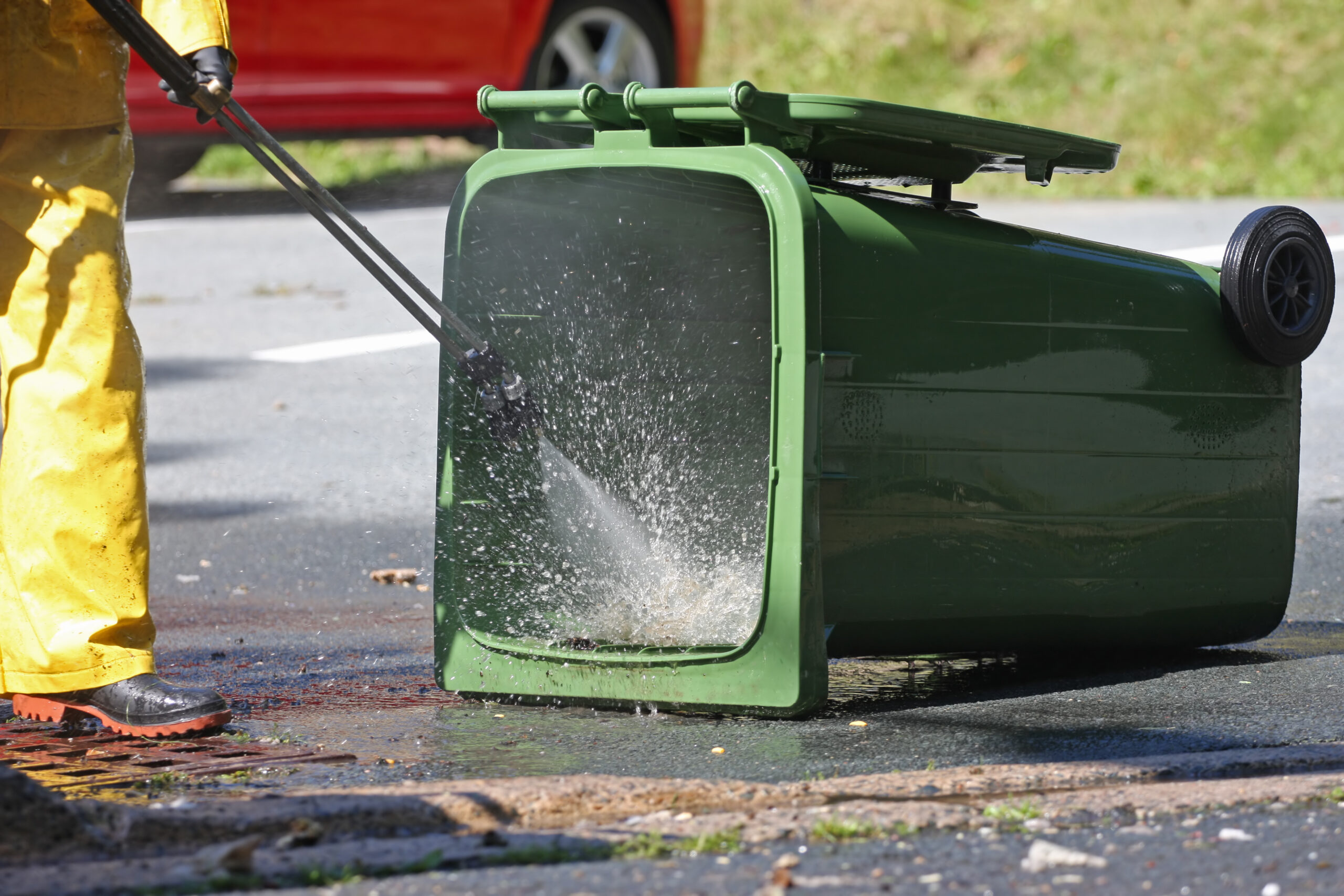
Keeping your waste bin clean is essential for maintaining a hygienic and odor-free home or workplace.
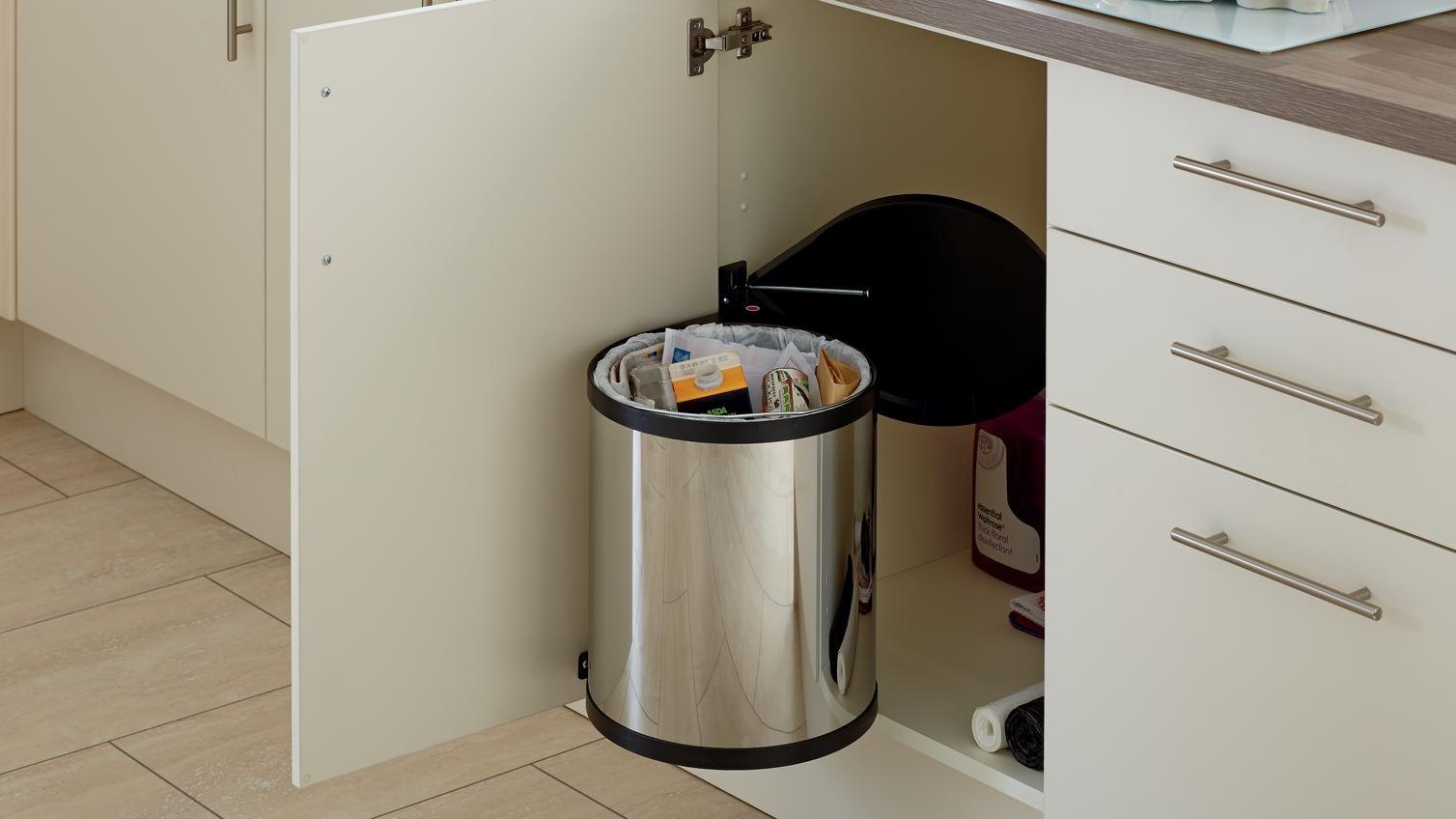
Effective kitchen waste management helps keep your home or workplace clean, hygienic, and environmentally friendly.